
Current Support Groups
A group to provide a safe space to teach cognitive processing, effective coping skills, and support for teen boys who are looking to make stronger connections and support to deal with all that life brings to that age group. There will be discussions surrounding topics such as grief/loss, peer relationships, school, stress, social media, family issues, etc.
Wednesdays 3 PM
A group to provide support and psychoeducation about social anxiety and all the ways it impacts us as well as a place to gain insight and coping skills to combat the effects.
Wednesdays 4 PM
Gain insight, support, and understanding surrounding a variety of issues you may be experiencing as a parent of a teenager from other parents and a therapist who works within the capacity of a school social worker and counselor.
Wednesdays 5 PM
Learn effective coping skills to manage symptoms and behaviors of obsessive compulsive disorder. Psychoeducation and insight into the origin of this disorder will be explored as well.
Wednesdays 6 PM
A group to help adolescents understand the dangers of social media including psychological effects and potential harms. Participants can gain perspective, insight, and support with any issues relating to social media.
Wednesdays TBD
This group’s curriculum will be based on 2015 book by Lindsay C. Gibson and provide support, psychoeducation, and insight into how their experiences with emotionally immature parents have affected them and how to heal from this type of trauma.
Tuesdays 11 AM
A group to offer support and coping skills for those experiencing chronic illness or who are caretakers for someone who is inflicted with chronic pain and/or illness(es).
Tuesdays 12 NOON
A psychoeducation based group to help those inflicted by schizophrenia or a form of psychosis or know someone who is to better care for themselves/their loved one and to learn coping skills.
Tuesdays 1 PM
A group that offers insight, support, coping skills, and psychoeducation surrounding the symptoms of depression experienced in adulthood (relevant to any mood disorder that depression accompanies).
Tuesdays 3 PM
This group will help participants explore various ways they’ve experienced grief and the loss of something in their lives including death of a loved one, loss in relationships, loss throughout life transitions, loss of health, among other types of losses.
Tuesdays 6 PM
A warm, human, supportive, and real group designed for women who are navigating loneliness, life transitions, identity shifts, emotional changes, and evolving self-worth. This is not a trauma-processing or crisis group. It is a space for connection, reflection, normalization, and gentle skill-building. Participants do not need to have anything ‘figured out’ to belong here. Showing up is enough. Age range is 25-65.
Mondays 10:00AM-11:00AM
This group helps couples better understand their communication patterns and learn practical skills to improve how they interact with one another. It’s for couples feeling stuck in repetitive arguments, feeling unheard, or experiencing emotional disconnection. Learn how to slow those patterns down, increase awareness, and introduce tools applicable in real time. Couples receive coaching and the opportunity to practice new communication strategies within the group setting while receiving immediate feedback and support.
Sundays 6:00PM-7:00PM
This support group is a safe, welcoming space for individuals experiencing loneliness, disconnection, or a lack of meaningful relationships. Whether you feel isolated in your daily life, struggle to connect with others, or simply want a place to be seen and understood, this group offers the opportunity to share, listen, and build genuine connections.
Tuesdays 10:00AM-11:00AM
All groups will be online. These groups will be provided at NO COST to the participant. We will bill applicable insurance accordingly for participation.
Are you looking for a fresh approach to tackle life’s challenges and improve your mental health? Group therapy at Theravada Mental Health in Las Vegas, might be the answer you’re searching for. In this comprehensive guide, we’ll explore the various group therapy options we have available, delve into the unique world of art therapy, and provide you with all the tools you need to prepare for your group therapy experience tailored to your needs.
Short summary
- Benefit from improved coping skills, new perspectives and increased social support through group counseling.
- Commit to self care and explore art therapy for a unique approach to personal growth.
Therapy options in Las Vegas NV
Group therapy sessions provide a safe and supportive environment for individuals to explore issues such as anger management and improve interpersonal relationships. By participating in group therapy, you can benefit from the experiences and perspectives of fellow group members, creating a powerful learning experience that can complement individual therapy.
Support group
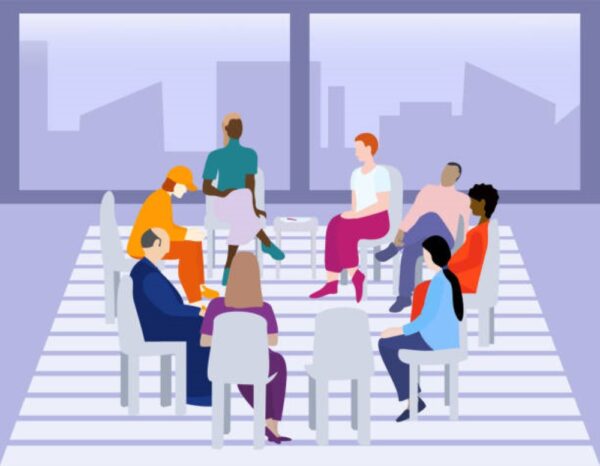
A support group is an empowering gathering of people struggling with common issues or challenges, who come together to share their experiences and provide each other with emotional and social support. Support groups can be an invaluable resource, as they are facilitated by individuals who have experienced similar issues and can offer a unique perspective on the challenges faced by group members.
At Theravada, we have numerous support groups available to help adults on their journey, addressing issues such as addiction, caregiving, mental health, and physical health conditions.
The benefits of participating in group therapy
Participating in group therapy offers numerous benefits that can greatly impact your overall well being. These benefits include improved coping skills, gaining new perspectives, and increased social support. In group therapy, you can learn from the experiences of others who may have similar challenges, providing you with valuable insights and strategies to tackle your own issues.
Engaging in conversations with others on a regular basis can be a powerful tool in helping to address your own issues. Additionally, joining a group therapy session can provide a unique opportunity to receive support and encouragement from your peers, as well as the accountability needed to develop and commit to solutions for life challenges.
Coping skills
Coping skills are essential in managing stress, anxiety, chronic pain, and other difficult emotions. Group therapy can help you develop these skills, equipping you with the tools needed to more effectively deal with life’s challenges. Some helpful coping skills include exercising, utilizing relaxation techniques, practicing mindfulness, meditation, self care, and journaling.
Finding the right coping skills for you is an important step in taking care of yourself. Consider trying out different strategies and seeing which ones work best for you and your lifestyle.
New perspectives
Group therapy offers a great chance to explore new perspectives on personal issues. Through engaging in group discussions, you can gain valuable insight into your own and others thoughts and feelings, providing you with a more comprehensive understanding of the issue at hand.
Gaining new perspectives in group therapy can be incredibly beneficial, as it can help individuals gain a deeper understanding of their own thoughts and feelings, as well as the thoughts and feelings of others. This can lead to enhanced self awareness, improved communication skills, and a more profound comprehension of the issue at hand.
Social support
Social support is essential for maintaining good mental health. It offers both physical and psychological benefits to those going through a tough time, helping to reduce symptoms of mental health issues like depression and anxiety. Studies have shown that social support can protect against the negative effects of stress on mental health.
Group therapy offers a safe and encouraging atmosphere for individuals to express their thoughts and emotions, providing an opportunity to connect with others who are facing similar challenges and gain valuable insight from their perspectives. By participating in group therapy, you can build a strong sense of community and belonging within the whole group, which can be immensely beneficial for those who are feeling disconnected or alone.
Art therapy: a unique approach to group counseling
Art therapy is a creative and engaging form of psychotherapy that uses art materials as its primary mode of expression and communication. It can be a powerful tool for expression and healing, allowing you to explore and resolve emotions and thoughts through art making. By working with one of our art therapists, you can improve your overall well being and use art therapy as a unique approach to group counseling.
What is art therapy?
Art therapy is a creative form of psychotherapy that utilizes art media as its primary mode of expression and communication. It is based on the idea that the creative process involved in artistic self expression can help people explore their inner conflicts and problems, develop interpersonal skills, manage their behavior, reduce stress, boost self esteem, and gain insight.
In group settings, art therapy can be a powerful tool to help individuals discover their emotions, express themselves openly, and gain a deeper understanding of their relationships with others. Through creative techniques like drawing, painting, collage, coloring, or sculpting, art therapy can help you find relief and new perspectives on your challenges.
Benefits of art therapy
The benefits of art therapy are vast, ranging from improved self expression and increased self awareness to enhanced problem solving skills and improved communication. Art therapy can also help reduce stress, anxiety, and depression, providing a sense of accomplishment and satisfaction.
By participating in art therapy, you can gain a deeper understanding of yourself and your relationships with others, as well as develop new skills and coping strategies for life’s challenges. Whether you are dealing with developmental, medical, educational, social, or psychological impairments, art therapy can be an incredibly powerful tool for healing and self discovery.

Assessing your needs
To assess your mental health needs, consider conducting a physical examination and reviewing your medical history, as well as evaluating your various roles and responsibilities in life. Reflect on your individual objectives, inclinations, and any other elements that may affect your choice in group therapy.
By understanding your needs and desires, you can ensure that you choose the most suitable group therapy option for you. This will ultimately help you get the support and guidance you need to overcome challenges and achieve your goals in a safe and supportive group environment.
Trial sessions
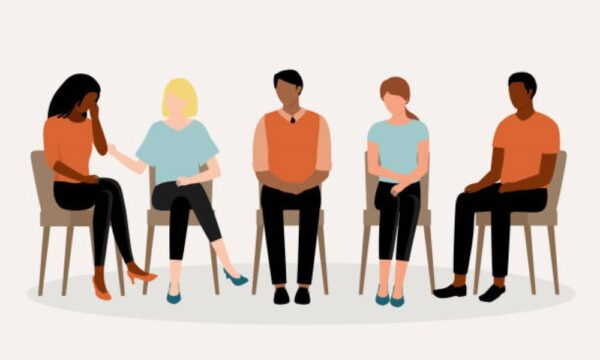
Attending trial sessions is an important step in determining if a group therapy option is the right fit for you. By observing the dynamics of the group and the therapist’s approach, you can gain a better understanding of how the therapy process works and whether it aligns with your needs and goals.
During trial sessions, take the opportunity to ask any questions about the therapy process and clarify any doubts or concerns. By attending a trial session, you can ensure that you feel comfortable and supported in the group therapy environment before committing to regular sessions.
Preparing for your first group therapy session
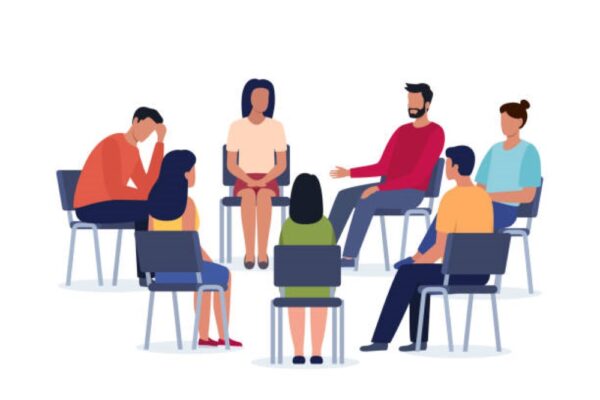
Being well prepared for your first group therapy session can help set you up for a successful and fulfilling experience. This involves setting clear goals for yourself and the group, familiarizing yourself with the group’s norms, and prioritizing your wellbeing and dedication to the process.
In the following sections, we’ll provide you with more detailed information on how to prepare for your first group therapy session, ensuring that you get the most out of your experience and foster a sense of trust and safety within the group.
Setting expectations
Setting realistic expectations for your group therapy experience is crucial for ensuring a positive outcome. This involves understanding the purpose of the group, the rules of the group, and the expectations of each member up front.
By setting clear expectations, you can ensure that all members have a good grasp of the group’s purpose and objectives, creating a safe and supportive environment for everyone involved. Utilizing a sounding board within the group can further enhance this environment by allowing members to share their thoughts and ideas openly.
Understanding group rules
Familiarizing yourself with the rules and guidelines of the group is essential for creating a safe and supportive environment for everyone involved. The rules of group therapy typically include confidentiality, privacy, dignity, no violence or intimidation, and no socializing outside of the group.
By adhering to these rules, you can help ensure that everyone feels safe and respected, ultimately fostering a successful and productive group therapy experience.
Self care and commitment
Prioritizing self care and committing to the group therapy process are essential for achieving optimal results. Engage in self care practices such as mindfulness exercises, meditation, and journaling to ensure that you are in a healthy state of mind and body throughout the process.
By committing to the group therapy process, you can foster a sense of trust and safety within the group, which is vital for the group therapy process to be effective.
Summary
In conclusion, group therapy offers a wide range of options for individuals seeking support and guidance in overcoming life’s challenges. By understanding the benefits of participating, and discovering the unique approach of art therapy, you can find the perfect group therapy experience tailored to your needs. Remember to prioritize self care, commit to the process, and set realistic expectations for your group therapy journey. With the support of our group therapy at Theravada Mental Health, you can achieve your goals and enjoy a happier, healthier life.
Frequently asked questions
What are the four types of group therapy?
Group therapy comes in many forms, including cognitive behavioral, psychodynamic, humanistic, and family therapy. These different approaches offer individuals the chance to benefit from the collective support and wisdom of the group.
By working together, members of the group can learn from each other’s experiences and gain insight into their own issues. They can also develop better communication skills and learn how to better manage their emotions.
What types of group therapy options are available?
You can benefit from different group therapy options such as support groups, specialized sessions and mental health programs that incorporate group therapy.
These options can help you gain insight into your own issues, as well as learn from the experiences of others. They can also provide a safe and supportive environment to discuss your feelings and work through any challenges you may be facing.