
Introduction: Why People Are Turning to Ketamine Therapy Now
If you’ve tried talk therapy, daily pills, and still feel stuck, you’re not alone. Ketamine therapy has emerged as a fast-acting option for people dealing with treatment resistant depression, anxiety, post traumatic stress disorder, and chronic pain. Unlike traditional antidepressant medications, which can take four to six weeks before you notice any difference, ketamine can lift mood within hours. Many patients report meaningful changes within 24 hours of their first ketamine infusion.
This guide answers the questions that matter most: what ketamine therapy is, how does ketamine change the brain, what does ketamine therapy feel like, who qualifies, and how clinics like Theravada Mental Health in Las Vegas ensure safety throughout the process. Ketamine used in a clinical context is legal, administered in low doses under professional supervision, and very different from recreational misuse.
Theravada Mental Health offers in-office ketamine infusion therapy as part of comprehensive mental health care in Las Vegas. This article focuses primarily on IV ketamine infusions while also covering esketamine (Spravato) and emerging at-home options for context. Whether you’re a patient exploring options, a family member doing research, or a referring provider, this guide is for you.
What Is Ketamine Therapy? (History, Types, and Key Terms)
Ketamine was first synthesized in the 1960s and received FDA approval in 1970 as an anesthetic. For decades it served as a staple in surgery, emergency medicine, and battlefield anesthesia. Researchers later discovered that at sub-anesthetic doses, ketamine produced rapid antidepressant and pain-relieving effects, opening the door to an entirely new use in psychiatric and pain medicine.
Today, ketamine therapy refers to the controlled medical use of low-dose ketamine to manage mental health conditions and certain chronic pain syndromes. Ketamine treatment can take several forms, and most psychiatric applications remain off label, meaning they are not specifically FDA approved for those diagnoses but are supported by a growing body of clinical evidence. Ketamine therapy has emerged as a promising treatment for difficult-to-treat depression and other psychiatric disorders.
Esketamine (brand name Spravato) is the S-enantiomer of racemic ketamine, fda approved as a nasal spray in 2019 for treatment resistant depression and depression with suicidal thoughts. It is administered in certified clinics under a federal REMS program.
Common forms of ketamine therapy include IV infusion and intranasal spray. Here are the major modalities at a glance:
- IV ketamine infusion – the most studied method for depression, PTSD, and anxiety
- Intramuscular or subcutaneous injection – used in some clinical trials and specialty clinics
- Sublingual tablets or lozenges – oral medication options, sometimes used for maintenance
- Esketamine nasal spray (Spravato) – the only FDA-approved ketamine-based product for depression
Theravada Mental Health offers ketamine infusions in a monitored clinic setting, coordinated with ongoing psychiatric and psychotherapy care. A single ketamine treatment session is not the same as a full program, which includes preparation, multiple dosing sessions, integration, and follow-up.
How Does Ketamine Work in the Brain and Body?
Ketamine primarily targets the brain’s glutamate system, unlike standard antidepressants which target serotonin or norepinephrine. SSRIs can take weeks to show results, while ketamine acts faster because of a fundamentally different mechanism.
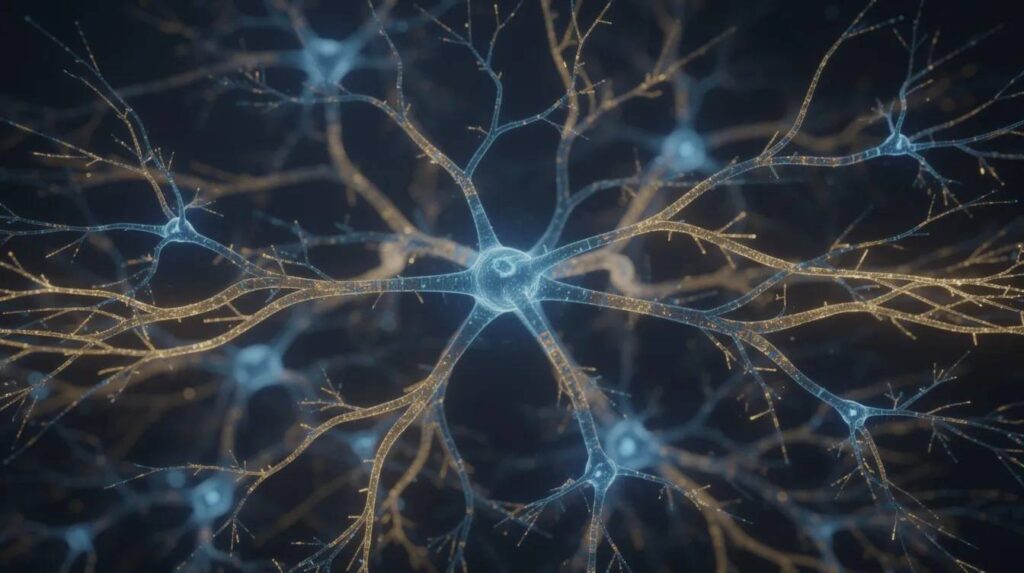
Ketamine acts as an NMDA receptor antagonist, temporarily blocking glutamate signals in the brain. This blockade triggers a surge of glutamate that activates AMPA receptors and sets off downstream signaling through BDNF and mTOR pathways. The result: ketamine promotes neuroplasticity and helps rebuild synapses in the brain, forming new connections between brain cells. The mechanism of ketamine involves increasing communication between brain cells, particularly in the prefrontal cortex and hippocampus – regions closely tied to mood, memory, and the nervous system’s stress response.
What does this mean practically? Increased neuroplasticity gives you a greater ability to form new thought patterns, break out of rigid depressive and anxious loops, and respond more fully to therapy and lifestyle changes.
Ketamine also appears to reset hyperactive circuits involved in chronic pain by dampening central sensitization and reducing abnormal pain signaling. This is why some patients experience relief within a few hours rather than weeks.
Think of it like temporarily taking the pressure off a jammed electrical circuit so the system can be rewired. Key mechanisms include:
- Neuroplasticity – synaptogenesis, increased BDNF, new connections between neurons
- Anti-inflammatory effects – modulation of cytokines and neuroinflammation
- Connectivity changes – improved prefrontal regulation, reduced amygdala hyperactivity
What Conditions Can Ketamine Therapy Help With?
Ketamine therapy is most extensively studied for treatment resistant depression, but clinical evidence now extends across several psychiatric and chronic pain conditions. It is not a first-line treatment – it’s typically recommended after adequate trials of standard treatment and psychotherapy have not provided sufficient relief.
Depression and suicidal ideation. About 60-70% of patients respond to ketamine for depression in infusion studies, and some data suggests about 71% of patients see a 50% reduction in depression symptoms. Ketamine can rapidly reduce suicidal ideation in some patients, often within hours. Ketamine’s ability to reduce suicidal thoughts and suicidal thinking this quickly is unmatched by any other widely available antidepressant medications. Early studies and ongoing clinical study data continue to reinforce these findings. Ketamine is an effective treatment for major depressive disorder and severe depression that has not responded to other treatments.
Anxiety and PTSD. Ketamine may alleviate anxiety symptoms in some patients, and it shows potential benefits for treating anxiety when it occurs alongside depression. For post traumatic stress disorder – often called traumatic stress disorder ptsd – clinical trials show ketamine therapy can significantly reduce PTSD symptoms within 24 hours. Repeated infusions yielded response rates around 67% in some controlled trials.
Bipolar disorder. Ketamine can treat major depressive disorder and bipolar depression, but only the depressive phase. IV ketamine infusions can improve symptoms in bipolar depression when used alongside mood stabilizers. Patients in manic or hypomanic episodes are not candidates.
OCD and rigid thought patterns. Emerging evidence suggests ketamine may help disrupt rigid thought loops through increased neuroplasticity, though large-scale trials are still limited.
Chronic pain. Ketamine is being studied for chronic pain conditions like CRPS (complex regional pain syndrome), neuropathic pain, fibromyalgia, and migraines. Pain protocols often use longer infusion times and higher cumulative doses than psychiatric protocols. Theravada Mental Health focuses on mental health indications and may collaborate with pain specialists when chronic pain conditions are a major component.
Ketamine works best as part of a broader treatment plan that includes therapy, medication management, and lifestyle changes – not as a stand-alone cure.
Who Is a Good Candidate for Ketamine Therapy?
A good candidate for ketamine is typically an adult (18+) with a diagnosed condition such as treatment resistant depression, PTSD, or severe depression who has tried multiple evidence-based approaches without adequate relief. However, not everyone qualifies.
Likely candidates include those who have:
- Tried at least 2–4 standard antidepressant or mood-stabilizing medications without sufficient improvement
- Participated in psychotherapy (CBT, EMDR, or similar) with limited response
- Significant functional impairment in work, relationships, or self-care due to persistent symptoms
- Exhausted other treatments and standard treatment options
Typically not candidates:
- Uncontrolled high blood pressure or unstable heart disease
- Active psychosis or untreated bipolar mania
- Elevated intracranial or intraocular pressure
- Current significant substance use disorder involving dissociatives or active addiction
- Certain neurological conditions requiring specialist evaluation
Nuanced situations exist. Someone with a history of addiction in remission, or mild hypertension, may still be a candidate with careful monitoring. Lab tests may be ordered to check liver and kidney function. You may need medical clearance from specialists such as a cardiologist or neurologist.
Consultation with a psychiatrist is advised before considering ketamine therapy. Meet with a healthcare provider before starting therapy to discuss your full medical history. At Theravada Mental Health in Las Vegas, the intake process includes an initial consultation (in person or telehealth), review of prior treatment records, coordination with your existing psychiatrist or primary care provider, and shared decision-making about whether ketamine is appropriate for your situation.
How Ketamine Infusion Therapy Is Given (Formats and Protocols)
Several delivery methods exist for ketamine treatment. The right one depends on your condition, your provider’s recommendation, and your care team’s clinical judgment.
- IV ketamine infusion – most common in-clinic approach for mood disorders and PTSD
- Intramuscular or subcutaneous injection – used in some research and specialty settings
- Sublingual lozenges or oral medication – sometimes used for at-home maintenance
- Esketamine nasal spray (Spravato) – FDA-approved, administered in certified clinics
IV infusion details. Ketamine is administered via IV infusion over 40 minutes through a small line in the arm or hand. Doses are individualized by body weight and clinical response. For mood disorders, infusion durations are typically 40–60 minutes; chronic pain protocols may run several hours. Patients are monitored during the infusion for side effects including vitals and mental status. Ketamine therapy requires in-clinic sessions, unlike daily SSRIs, and TMS may take weeks for benefits, while ketamine can work in hours.
Standard protocols. A typical treatment protocol includes six infusions over three weeks (the “induction” phase). Infusions may be scheduled every two weeks to three months for maintenance, depending on how you respond. Esketamine is administered as a nasal spray twice weekly initially, then tapered, always combined with an oral antidepressant.
Theravada Mental Health prioritizes in-clinic iv infusion to ensure safety and close monitoring. Exact dosing and protocols are adjusted based on your condition, prior response, side effects, and coexisting medical issues. Newer oral and extended-release formulations are under development, but clinical data on these is still maturing.
Preparing for Your First Ketamine Session
Preparation for your first session starts well before you sit in the infusion chair. Your care team will walk you through medical and psychiatric intake, informed consent, and a clear explanation of what to expect.
Before your appointment:
- Patients should not eat for eight hours before treatment (clear liquids may be allowed up to 2–4 hours prior, per your clinic’s instructions)
- Avoid alcohol, recreational drugs, and certain sedating medication for at least 24 hours
- Arrange for a driver to take you home after treatment – you cannot drive or operate machinery for the rest of the day
- Wear loose, comfortable clothing; bring headphones, calming music, a light blanket
A typical treatment visit lasts two to three hours, including check-in, the infusion itself, and a post-infusion observation period.
Consider setting intentions before the first session – themes you want to explore or patterns you’d like to change. Discuss these with your therapist or ketamine clinician. This kind of preparation makes integration after the session more productive.
Theravada Mental Health’s team in Las Vegas reviews your medication list, coordinates with other providers if necessary, and provides written pre-session instructions so nothing is missed. Some patients may need additional medical clearance (such as a cardiology consult or basic lab work) to ensure safety before beginning ketamine therapy.
What Does Ketamine Therapy Feel Like? Inside a Typical Session
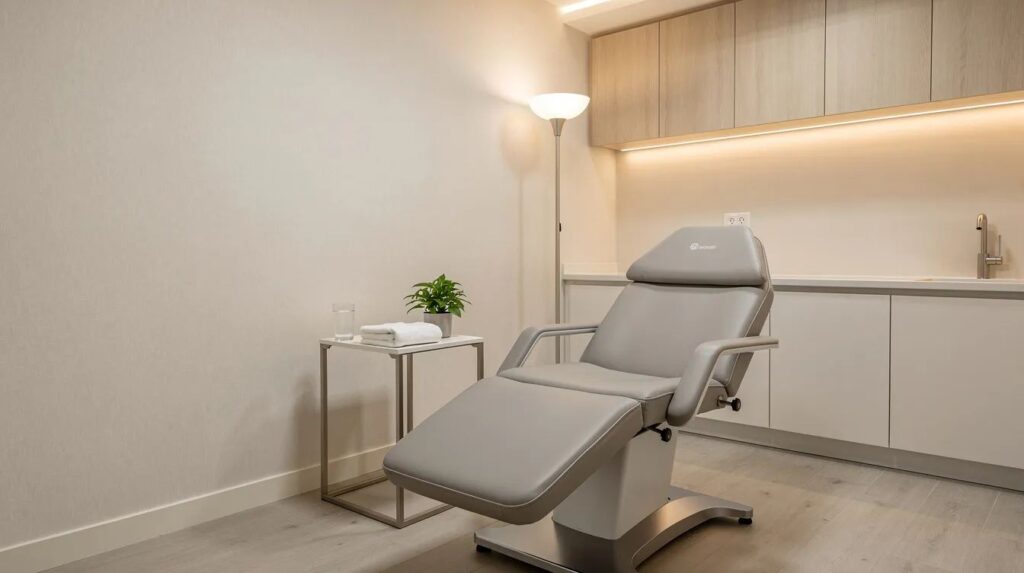
At a clinic like Theravada Mental Health, sessions take place in a quiet room with dim lighting, a reclining chair or bed, and monitoring equipment for blood pressure, heart rate, and oxygen levels. A clinician or nurse remains nearby throughout.
Here’s what a typical first session looks like:
- Check-in – brief assessment, vitals, and IV placement
- Infusion begins – gradual onset of effects within 5–15 minutes, peaking around the midpoint
- Recovery – monitoring period of 30–60 minutes after the infusion ends
So what does ketamine therapy feel like? Patients may experience altered mental status during infusion, including floating or lightness, shifts in time perception, vivid imagery or dreamlike experiences, mild visual changes, emotional distance from distressing thoughts, or a sense of observing yourself from outside your body (dissociation). Some people feel deeply calm and peaceful; others may briefly feel anxious or disoriented. Clinicians are there to help you work through these experiences in real time.
You remain monitored throughout and can speak if needed. Future sessions can be adjusted – music, lighting, even dose – based on your comfort and response. Most acute effects fade within 30–120 minutes after the infusion. Patients may experience relief from depression for up to two weeks following a session. Lingering fatigue, mild nausea, or “spaciness” can last the rest of the day.
Keep a journal after your session to capture insights and feelings. These notes become valuable material for follow-up therapy.
Safety, Side Effects, and How Clinics Ensure Safety
Common side effects of ketamine therapy include dissociation and temporary increases in blood pressure. Other common side effects include dizziness and nausea, blurred vision, transient anxiety, or mild confusion. Ketamine can briefly raise blood pressure during treatment, which is why continuous monitoring matters. These effects generally resolve within hours.
Serious side effects from ketamine therapy are rare at clinical doses. Excessive blood pressure elevation or intense emergence reactions can occur but are uncommon with proper screening and supervision. In chronic recreational use (not medical treatment), risks include bladder toxicity and cognitive problems – these are not characteristic of supervised therapeutic protocols.
How reputable clinics ensure safety:
- Pre-treatment screening of cardiovascular health, medical history, psychiatric history, and substance use disorder risk
- Continuous or frequent vital sign monitoring during every ketamine infusion
- Emergency medications and resuscitation equipment on-site
- Immediate access to clinicians trained in anesthesia or emergency response
Ketamine is a Schedule III controlled substance with potential for abuse, legal only when prescribed and administered by licensed professionals in an authorized medical setting. Proper administration of ketamine requires medical supervision to manage adverse effects. Physical dependence is very uncommon when treatment protocols are followed, but patients with active substance use disorder need extra evaluation.
Long term safety of ketamine therapy is still being studied. Theravada Mental Health’s approach in Las Vegas includes on-site medical supervision during each infusion, written aftercare instructions, and clear guidelines about transportation and activity restrictions. Patients should openly discuss their full medical history, current substances, and any fears about side effects with their provider before starting.
After Ketamine: Integration, Beneficial Effects, and How Long Results Last
Integration is the process of making sense of your ketamine experiences and translating new perspectives into lasting changes in thoughts, behaviors, and relationships. Without it, even powerful sessions may not stick.
The beneficial effects most patients report after ketamine treatments include:
- Rapid reduction in symptoms of depression and suicidal ideation
- Increased emotional “space” from intrusive or ruminative thoughts
- Greater motivation to engage in healthy activities and clinical care
- For chronic pain, decreased pain intensity and improved daily function
How long does symptom relief last? After a single infusion, mood benefits can appear within hours and typically last days to one to two weeks. A series of six ketamine infusions across multiple sessions tends to extend relief for weeks to several months – especially when paired with ongoing therapy and lifestyle changes. Maintenance infusions are commonly scheduled as depressive symptoms gradually return, with frequency customized (every 4–8 weeks), and some patients eventually space sessions out further.
To maximize the therapeutic window of neuroplasticity, consider:
- Scheduling psychotherapy (CBT, EMDR) or ketamine assisted therapy sessions soon after infusions
- Practicing new coping skills, journaling, and mindfulness exercises
- Making concrete changes in sleep, exercise, and social connection while you feel more capable
Theravada Mental Health coordinates integration through post-session debriefs, collaborative goal-setting, and communication with your existing therapist or psychiatrist. Ketamine is often powerful and fast, but it is not magic. Long-term outcomes depend on integrating changes into daily life.

Costs, Insurance, and Access in Las Vegas and Beyond
Ketamine therapy costs several hundred dollars per session. A single IV ketamine infusion can range from roughly $500 to over $1,500 depending on location, dose, and level of monitoring, and a typical six-infusion series represents a significant investment.
Esketamine (Spravato) is often covered by insurance with the right diagnosis because it is FDA-approved for treatment resistant depression. Co-pays and visit fees may still apply. IV ketamine infusions are usually paid out of pocket because most insurers consider off-label ketamine experimental and may not cover it.
Practical tips for managing costs:
- Check with your insurance about coverage for ketamine-related services
- Ask clinics whether they provide superbills or accept HSA/FSA funds
- Factor in indirect costs like time off work and transportation to multiple sessions
- Don’t choose a provider based on price alone – safety and experience matter more
Theravada Mental Health can discuss fees for ketamine treatment in Las Vegas during consultation, help patients explore whether HSA/FSA funds can be used, and coordinate paperwork for any potential reimbursement. Geographic access varies nationally, but choosing an experienced, safety-focused provider in your area is more important than finding the cheapest option.
Is Ketamine Therapy Right for You? Next Steps and How to Get Help
If your symptoms persist despite trying multiple medications, therapy, and other treatments, and you’re dealing with significant distress or functional impairment, ketamine infusion therapy may be worth exploring.
Start by:
- Talking with your current psychiatrist, therapist, or primary care doctor about ketamine as an option
- Gathering records of past treatments (medications, therapies, hospitalizations)
- Writing down your goals and questions for a ketamine provider:
- How many infusions will I need?
- What does ketamine therapy feel like during and after?
- How will you ensure safety in my case?
- What integration support is available?
Most reputable clinics, including Theravada Mental Health in Las Vegas, begin with a no-pressure consultation to determine whether you are a good candidate or whether other options should be explored first. Ketamine therapy is one tool among many, and combining it with talk therapy, healthy routines, and social support from your care team leads to the best long-term outcomes.
If past treatments have not given you the relief you need, ketamine infusion therapy may offer a life changing path forward. Help is available – both locally for Las Vegas residents through Theravada Mental Health, and nationally through qualified ketamine clinicians. Reaching out for a consultation is the simplest first step.